
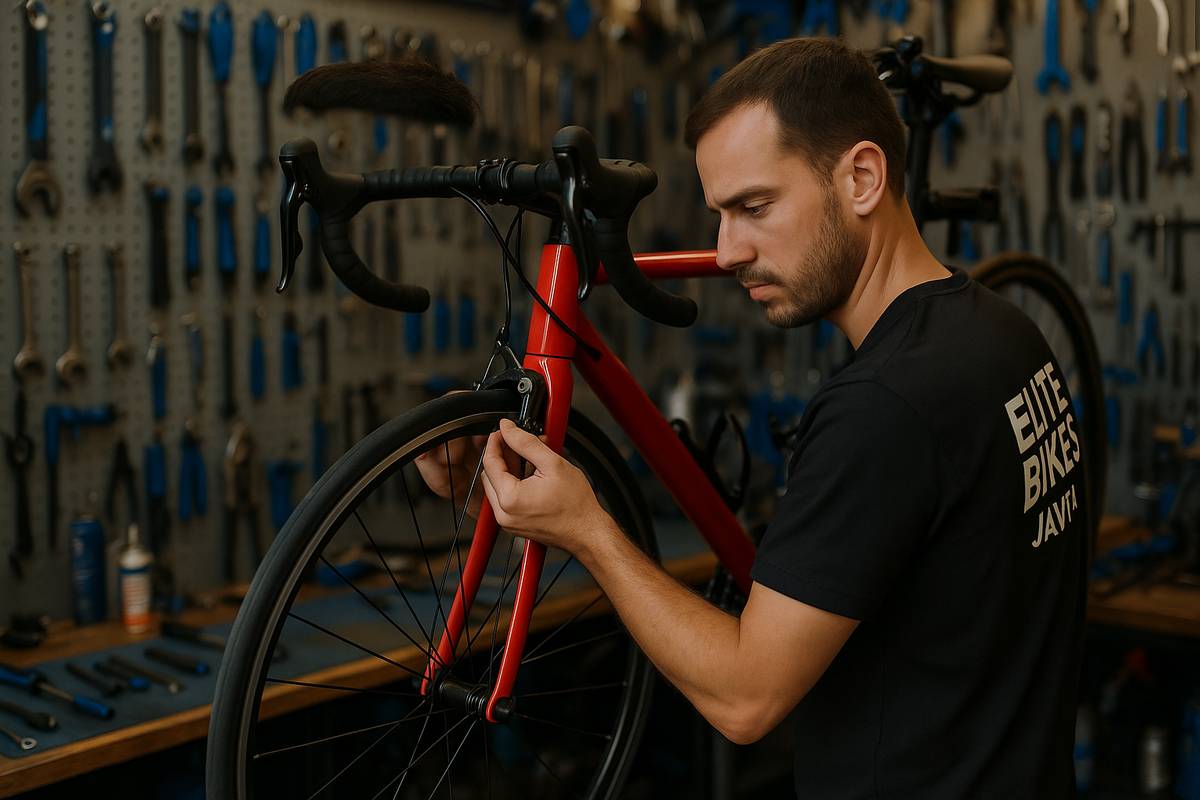
Is your bike not stopping as smoothly or quickly as it used to? Squeaking noises or reduced braking power might mean it’s time to replace your brake pads. But how exactly do you do it? In this guide, we’ll walk you through how to change brake pads on all major types of bicycle brakes — including rim brakes, V-brakes, cantilever brakes, disc brakes (mechanical and hydraulic), and even coaster brakes.
Whether you're a casual rider or a cycling enthusiast, this guide will help you ride safer and with confidence.
Why Replacing Brake Pads Is So Important
Brake pads are a critical safety component of any bike. Worn-out pads can drastically reduce your stopping power, especially in wet conditions or during emergency braking. Regular inspection and timely replacement can prevent accidents and keep your rides smooth and safe.
1. V-Brakes (Linear Pull Brakes)
Common on: Mountain bikes, hybrids, older city bikes
Tools needed: Allen key, pliers (optional)
Steps:
-
Release the brake noodle to detach the brake arms.
-
Use an Allen key to unscrew the old brake pads.
-
Install the new pads, making sure they align with the rim and not the tire.
-
Tighten bolts and reconnect the brake noodle.
-
Test by spinning the wheel and squeezing the brake lever.
2. Cantilever Brakes
Common on: Touring bikes, cyclocross bikes
Tools needed: Allen key or wrench
Steps:
-
Loosen the brake cable.
-
Remove the old pads using an Allen key or wrench.
-
Install new pads at the correct angle and distance.
-
Reattach and adjust the cable tension.
-
Check pad alignment and braking force.
3. Caliper Rim Brakes (Side-pull and Dual-pivot)
Common on: Road bikes
Tools needed: Allen key
Steps:
-
Loosen the bolt securing the brake pad.
-
Slide out the old pad.
-
Insert the new pad and align it parallel to the rim.
-
Tighten the bolt and ensure even spacing from the rim.
-
Test braking performance.
4. Mechanical Disc Brakes
Common on: Entry-level mountain bikes, hybrids
Tools needed: Allen key, flathead screwdriver (optional)
Steps:
-
Remove the wheel.
-
Use an Allen key to remove the caliper or access the pads.
-
Slide out old pads.
-
Insert new pads and secure them in place.
-
Reinstall the wheel and check pad alignment.
-
Adjust the brake cable tension if needed.
5. Hydraulic Disc Brakes
Common on: High-end mountain bikes, e-bikes, performance road bikes
Tools needed: Allen key, pad spreader, possibly needle-nose pliers
Steps:
-
Remove the wheel.
-
Remove the retaining pin or clip holding the pads.
-
Slide out the worn pads.
-
Use a pad spreader to reset the pistons.
-
Insert new pads and secure them.
-
Reinstall the wheel and test the brake lever for firm resistance.
Note: Avoid squeezing the brake lever without the rotor or pad spacer in place — it can damage the caliper.
6. Coaster Brakes (Backpedal Brakes)
Common on: Cruiser bikes, kids' bikes
Tools needed: Cone wrench, flat wrench
Steps:
-
Remove the rear wheel.
-
Disassemble the hub (consult specific hub model).
-
Replace the internal brake shoes or pads.
-
Reassemble hub carefully and reinstall the wheel.
-
Test the backpedal braking.
Note: This process is more complex and may require professional help if you're unfamiliar with hub internals.
Bonus Tips for All Brake Types
-
Always check for pad alignment: they should contact the braking surface evenly.
-
Clean your braking surfaces (rims or rotors) to remove dirt and oil.
-
After changing pads, bed them in by braking gradually for the first few rides to improve performance.
When Should You Replace Your Brake Pads?
-
Rim brakes: When the grooves wear down or they feel hard and smooth.
-
Disc brakes: When pads are thinner than 1 mm or contaminated with oil.
-
Coaster brakes: When braking feels weak or noisy despite proper adjustment.
Final Thoughts
Changing your bicycle's brake pads isn’t as complicated as it sounds. With the right tools and this guide, you can do it at home and enjoy safer, smoother rides. If you're ever unsure — especially with hydraulic or coaster brakes — visit your local bike shop for professional help.
Need help changing your brake pads in Jávea? Visit Elite Bikes Shop on Avenida de la Fontana. Our expert mechanics are here to help you ride safely and smoothly!




 WhatsApp Chat